

Full process management
We translate your requirements into concrete arrangements on the manufacturer’s side and run each stage within the agreed scope. You have one point of contact and a clear picture of who is responsible.
The delivery process
The process runs as follows:
Order preparation
01
Brief and needs analysis
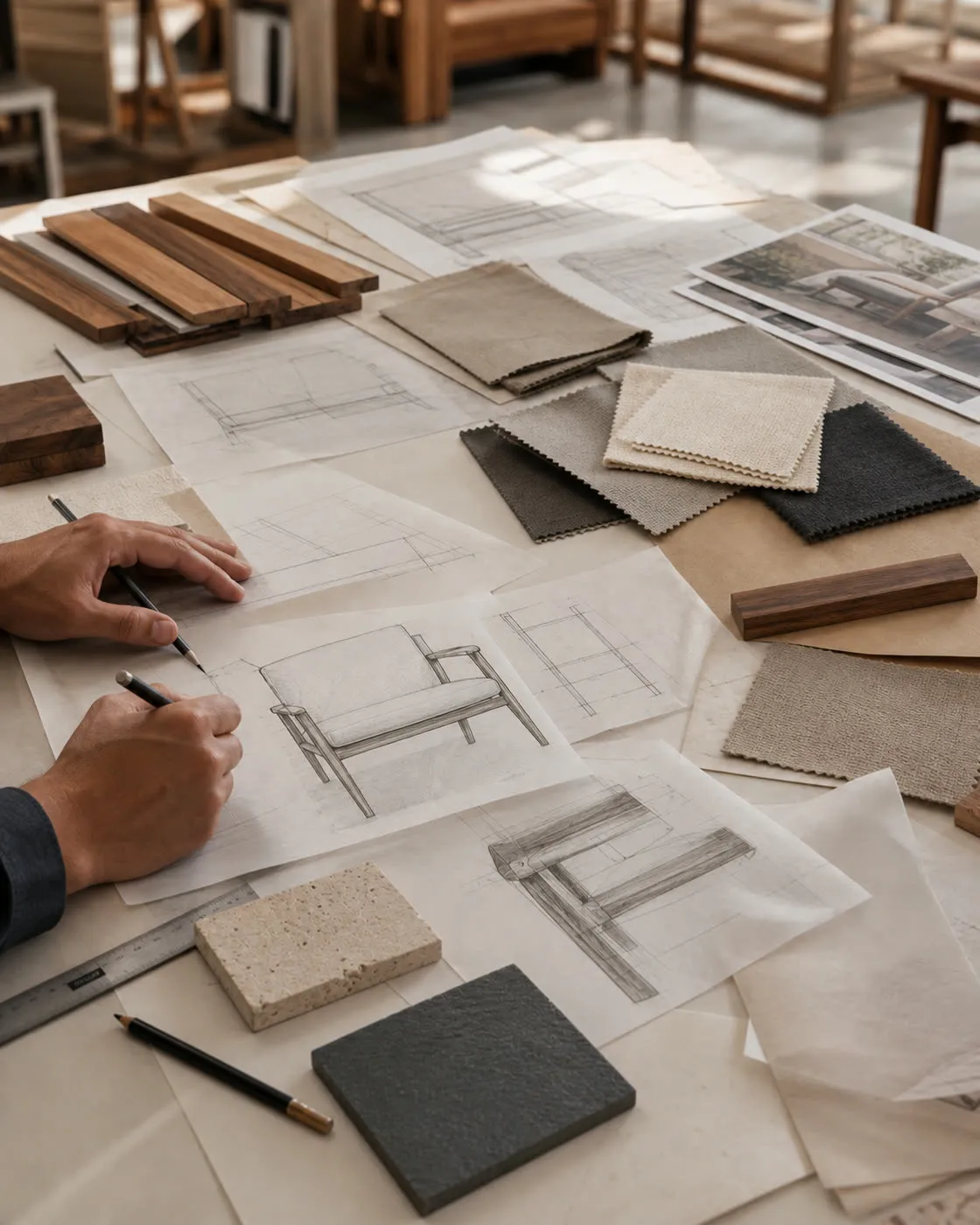
We define the type of product or space, how it will be used, the scope, the standard and the planned timing. Your drawings, moodboard or specification are included in the analysis. On that basis we establish which delivery model makes sense.
02
Selecting the manufacturer and the solution
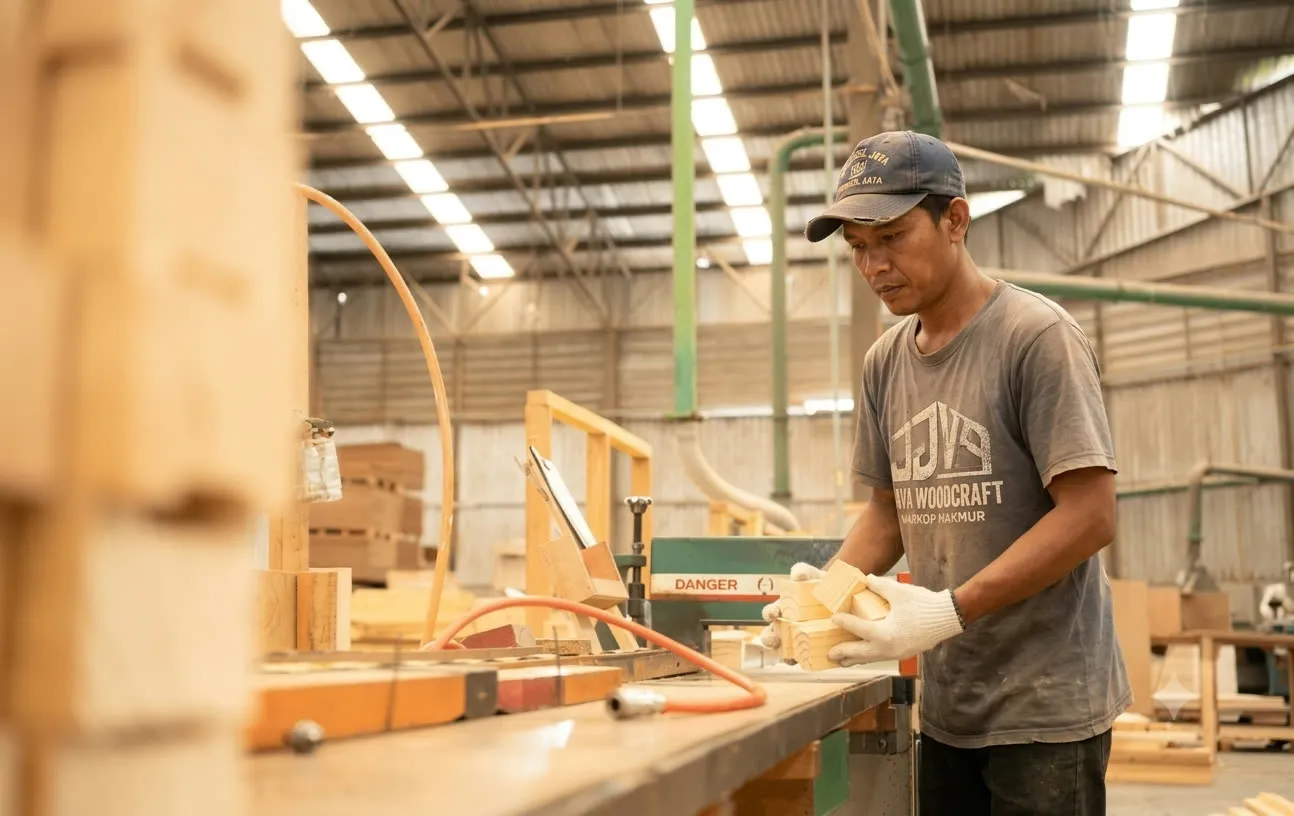
We choose a manufacturer matched to the product, the materials and the scale of the order.
It is not only about the design of the piece. We also check current production load, export experience and the ability to prepare the required data and documents.
03
Quote and specification
We turn the arrangements into a concrete quote: products, quantity, dimensions, materials, finishes and schedule.
The specification becomes the reference point for production and the later compliance check.
04
Samples and approval
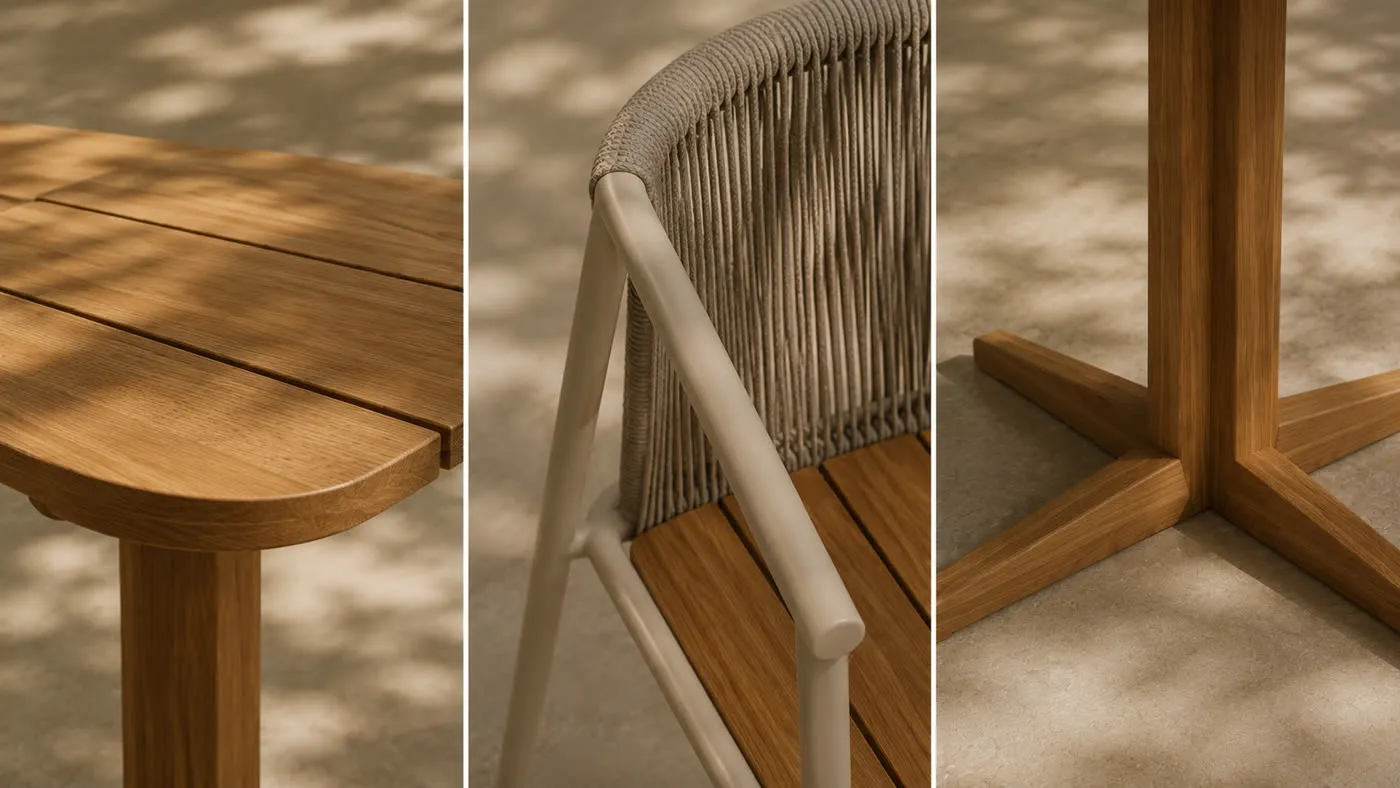
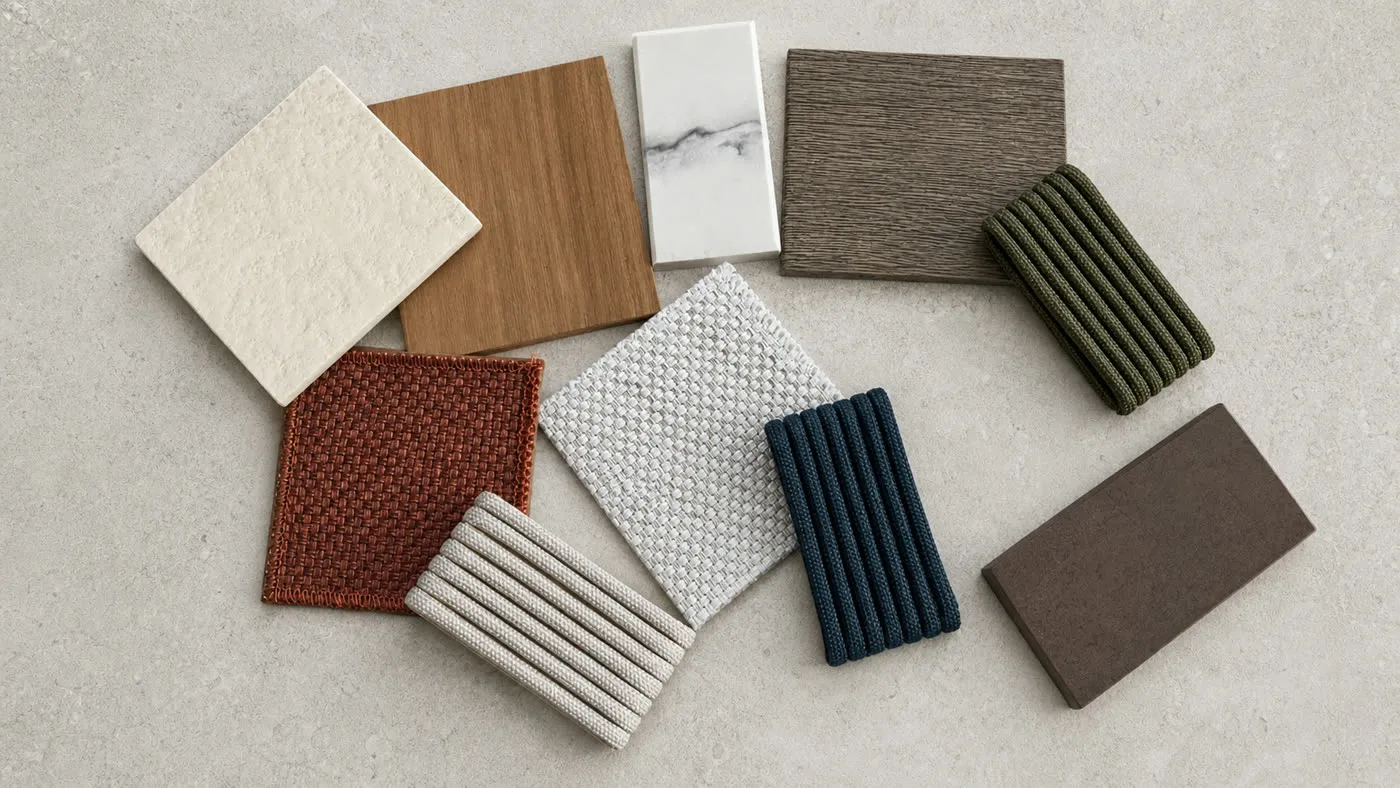
We present material samples and finish variants. For a product developed for a specific project, and for a new OEM or contract manufacturing setup, the prototype is a mandatory stage – without its approval we do not start actual production. The cost and lead time of the prototype are confirmed before work begins.
Production, control and compliance
05
Production and coordination
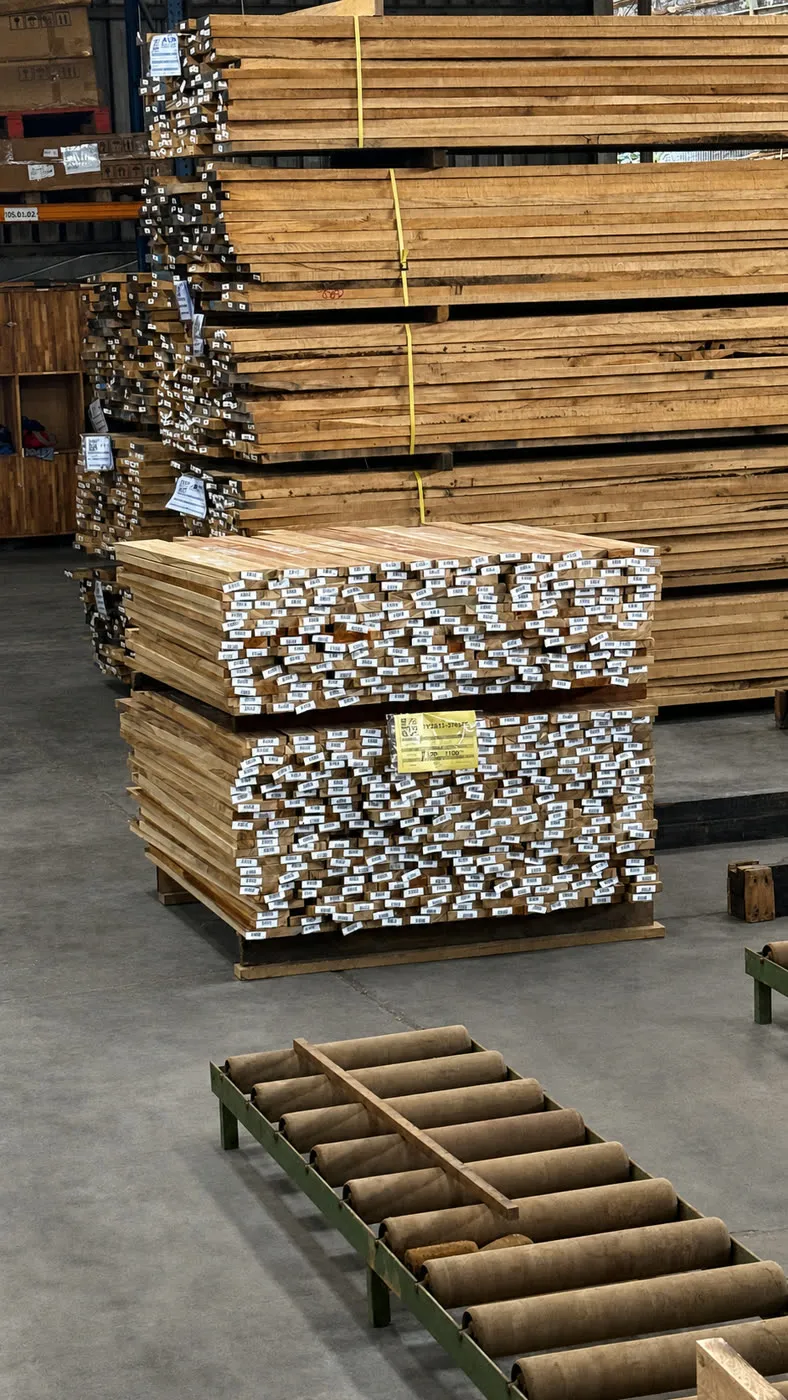
Once the order is approved we start production and coordinate the next steps directly with the manufacturer and with indoconnect’s collaborators in Indonesia.
We keep you informed about the key stages affecting scope or schedule.
06
Quality control and documentation
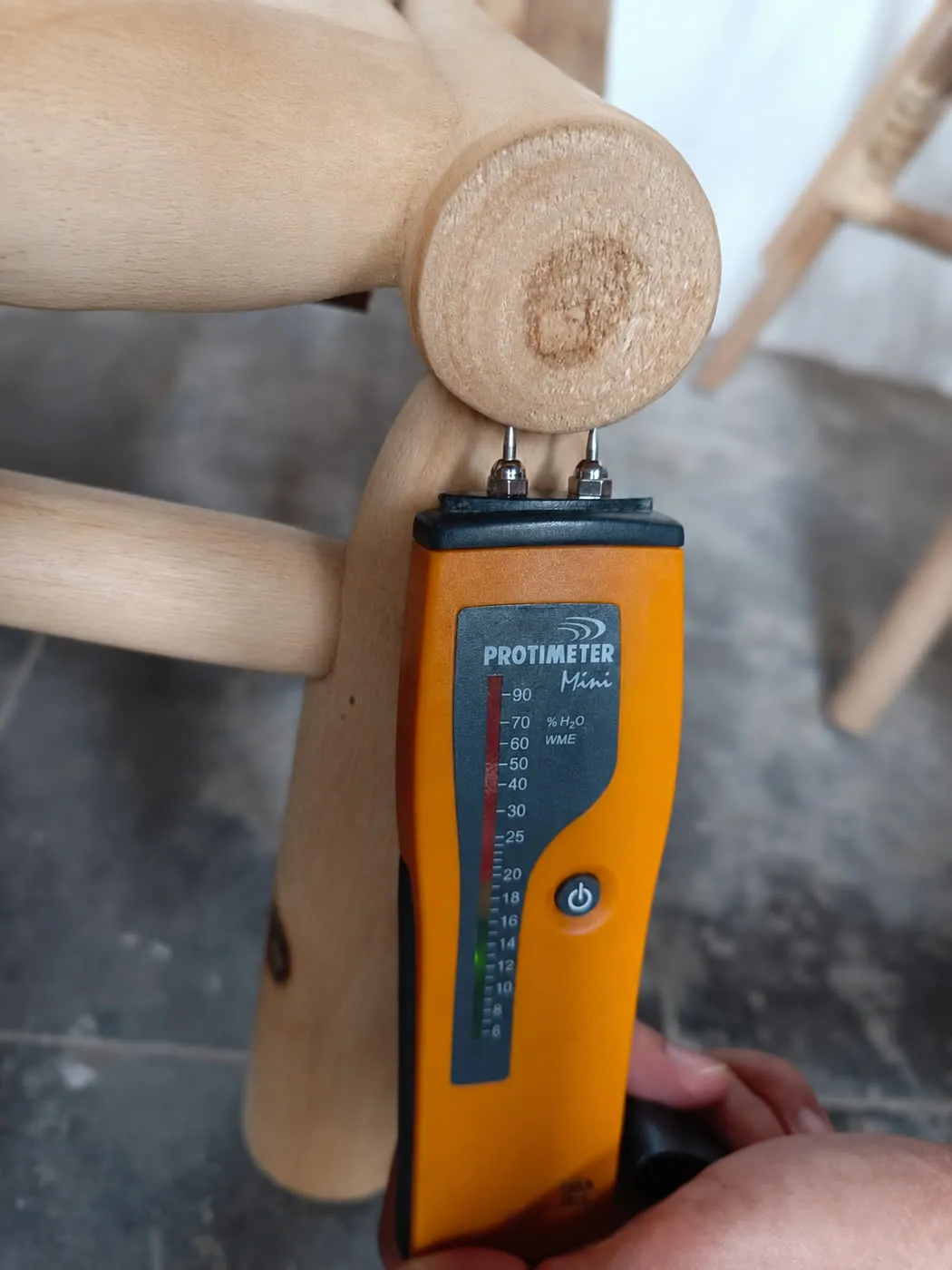
We plan quality and compliance control against the approved specification as part of the project, not as a reaction once production has finished.
We collect photographic documentation and compare the work against the approved specification. The order is released for shipment only after compliance is confirmed.
07
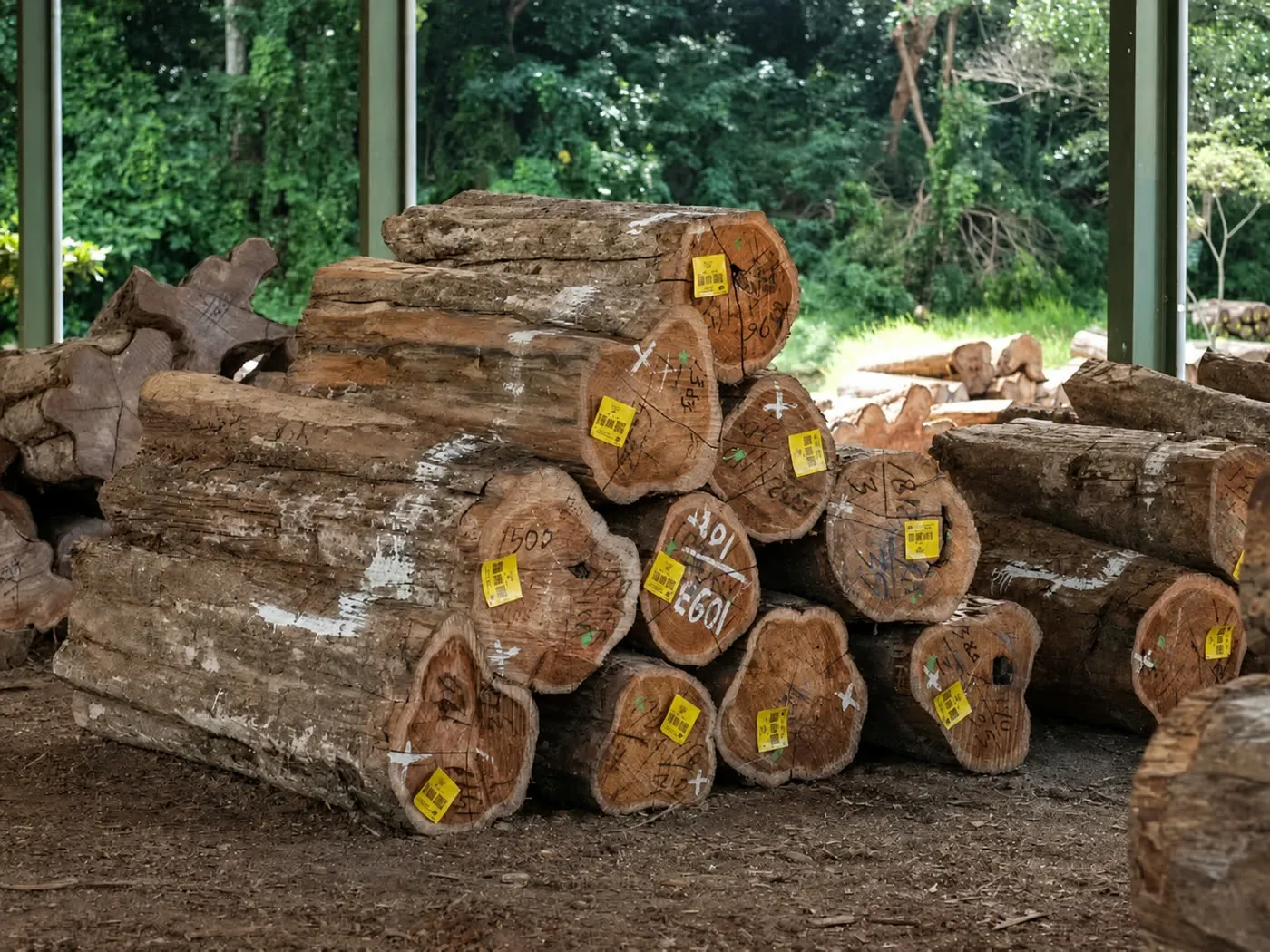
Timber origin and the EUDR
For products covered by the EUDR we verify timber traceability before production starts – not at the shipping or customs stage.
For the raw material used in an order we require information that establishes:
- geolocation of every plot the timber comes from,
- the supplier and the path of the material from source through each stage of trade and production,
- documents confirming the legality of harvesting,
- verifiable information confirming that the timber meets the requirements on deforestation and forest degradation.
Throughout production we require the link between the source of the material, the timber batch and the batch of finished furniture to be preserved. This makes it possible to assign origin data to the product that actually reaches the client.
In projects where indoconnect acts as the importer, we also perform the due diligence obligations required when placing a product on the European Union market.
Logistics
08
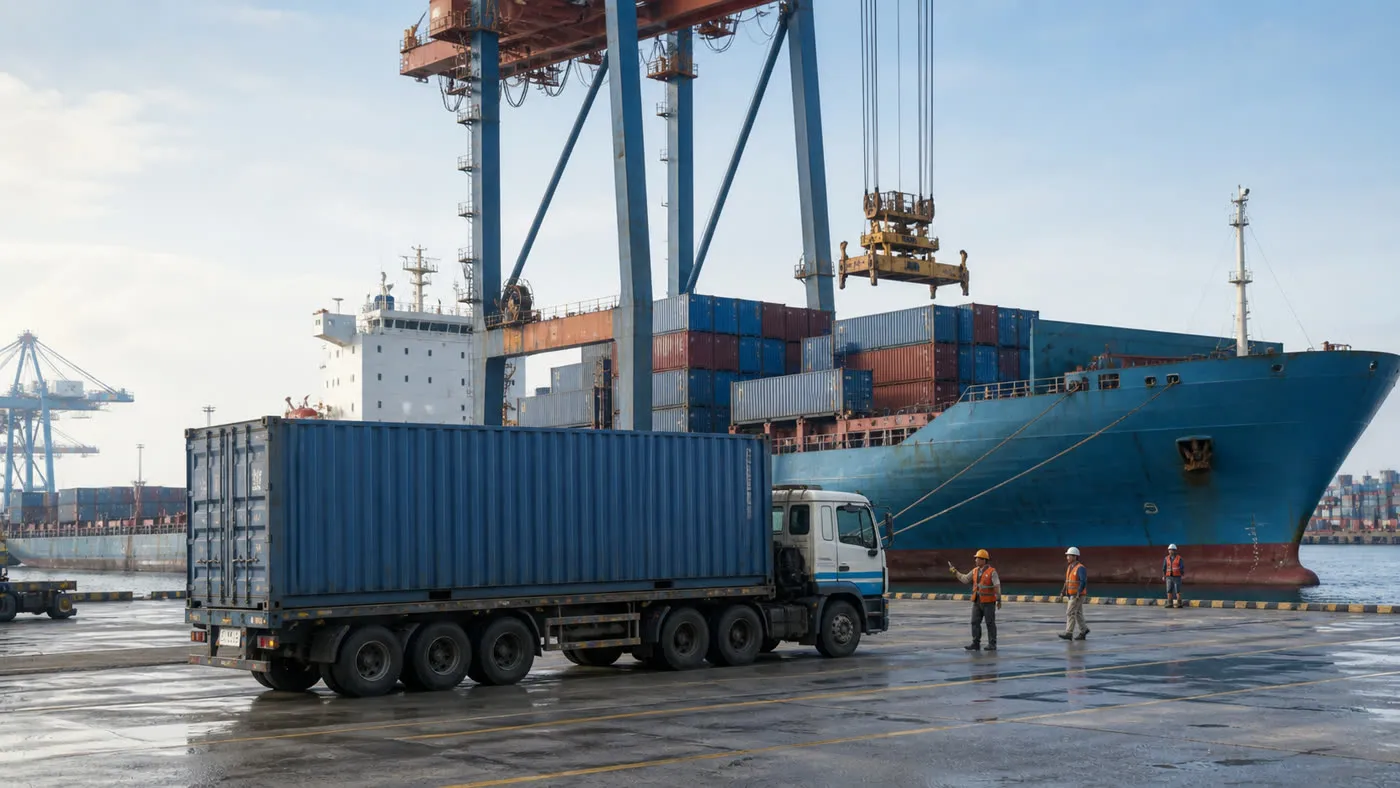
Logistics, customs and delivery
We arrange transport from Indonesia and coordinate the documentation, customs clearance and the delivery itself.
Logistics terms are matched to the size and type of the order and to the destination.
The project ends. The contact stays.
We remain your point of contact for matters relating to the completed order and to future projects. For repeat production we organise the earlier arrangements so that preparing the next batches is easier.
The aim is to build a working production and supply channel wherever your project or business model needs continuity.
How long a project takes
Lead times depend on the product, the scale and the chosen manufacturer. The ranges below show how the time is usually distributed for an order from an existing collection.
Brief and quote
1–2 weeksSamples or prototype, if needed
3–6 weeksProduction – depending on the manufacturer
10–14 weeksSea freight from Indonesia
6–8 weeksCustoms clearance and delivery in Poland
1–2 weeksFor a product developed from scratch we add time for the prototype and testing. The exact schedule is confirmed in the quote.
This is why we work project by project rather than from stock – the best outcome comes from a conversation started early.
Let’s start with the brief.
Describe the scope and the timing – we will tell you which delivery model makes sense.